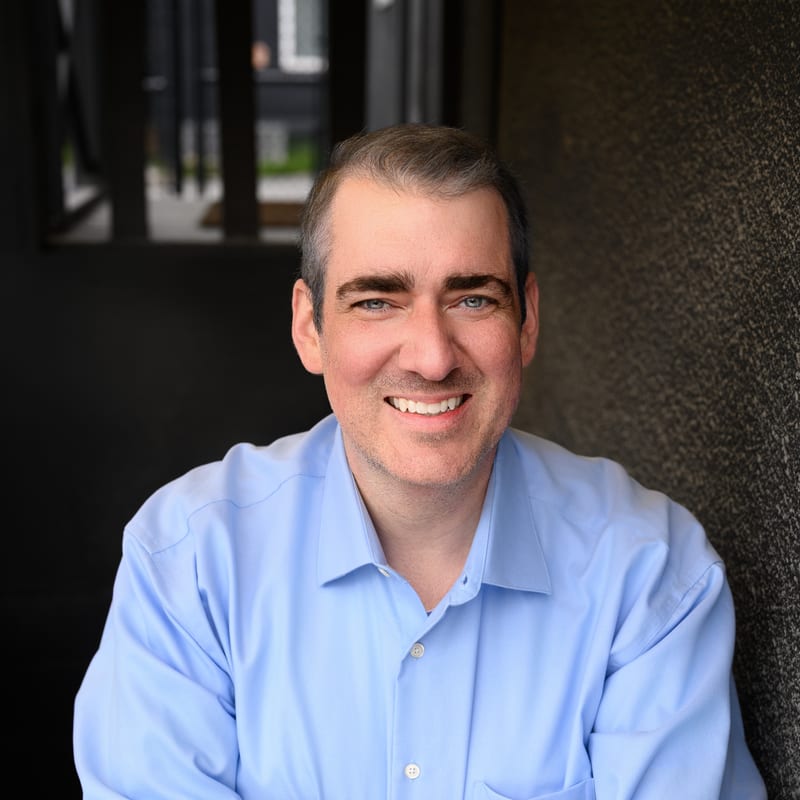
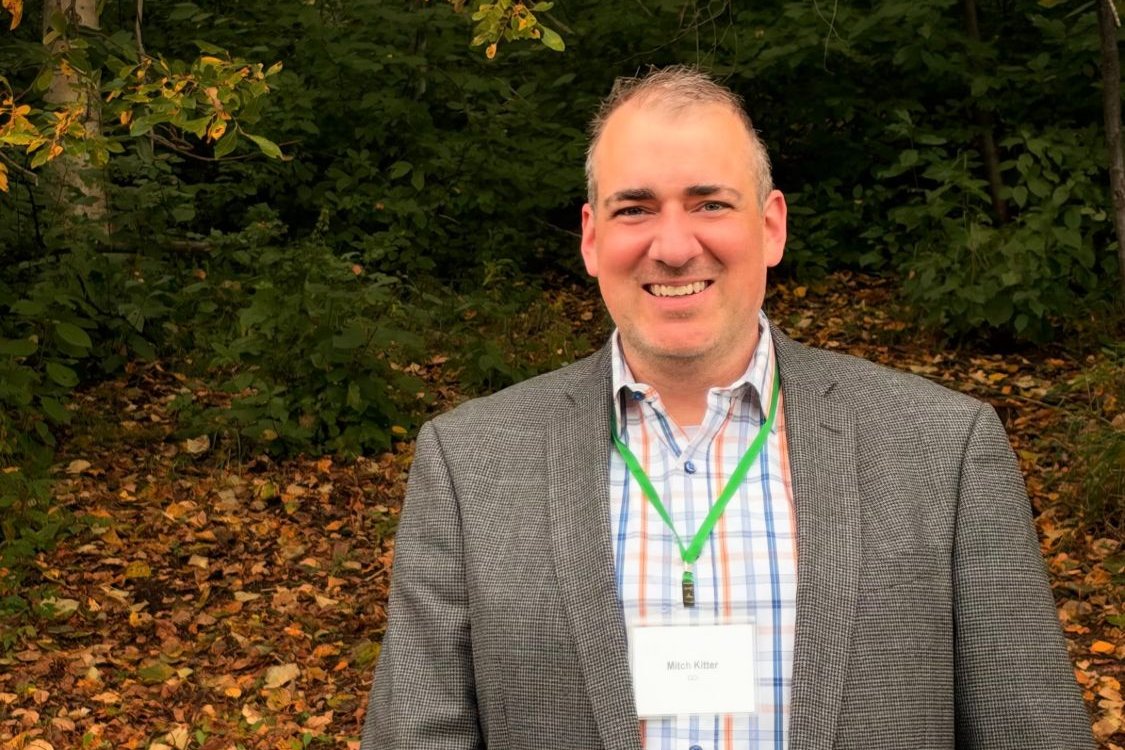
This past weekend, the University of Alaska hosted its second AI Symposium (September 25 to 27), bringing together faculty, students, IT leaders, and industry partners from across the UA system, in person and online. I was invited to moderate the Infrastructure, Security & AI panel, and it was one of the best conversations I've been part of this year.
I was joined by Shawn Williams (VP of Government Affairs and Strategy, Pacific Data Port), Benjamin Shier (Chief Information Technology Officer, University of Alaska System), and Ryan McDaniel (CIO, UAA), with UA CISO Jeannette Okinczyc contributing from the audience. Here's what stood out.
Power runs out first
When I asked what runs out first if AI demand in Alaska doubles, power came up fast. Shawn described a utility offering three megawatts for a GPU project, with 30 more costing $30 to 40 million. "It's definitely power first," he said, "because it doesn't exist." Ben noted that AI is reopening the cloud-versus-local question, and if local wins, power becomes the number one issue. Compute ambitions here live or die on energy.
Latency and sovereignty shape what belongs here
A round trip from the North Slope to Seattle can approach 90 milliseconds. For most AI work that barely matters, but for real-time security response, rural healthcare, research data, and defense, it does. The panel and audience kept returning to Alaska's need to operate independently of its links to the Lower 48.
Attackers are adopting AI as fast as defenders
Jeannette shared that her team's daily phishing response grew from about 90 minutes to 12 to 14 hours in roughly a year, forcing an investment in AI-driven defense because "people can't keep up with AI." Ben put it best: "Even though the castle walls are higher, the enemy has tanks that are 10 times more capable than five years ago."
The perimeter has moved
Ryan observed that as people build their own apps and agents, what they ask IT for is data. "The perimeter that we control has shifted." An agent acting on your behalf should get "some subset of what I can do, not all of it," with its own credentials. Identity, access, and governance for non-human actors are now core security work, and across the panel, policy is running ahead of enforcement.
Why it matters for my research
My Ph.D. research at UAF examines the security and resilience of Alaska's critical telecommunications infrastructure, and how security leaders prioritize risk when resources are finite. This panel touched every thread: the interdependence of telecom and energy, geography as a risk factor, defenders stretched by AI-scale threats, and governance lagging adoption. These questions also shape how we think about security architecture every day at GCI.
Huge thanks to Shawn, Ben, and Ryan for their candor, to Jeannette for jumping in, and to Dr. Helena S. Wisniewski and Andrew Harnish for organizing such a thoughtful event. A fun full-circle moment: I was a student in Helena's first AI course at the UAA College of Business and Public Policy years ago.
Let's keep the conversation going
If you work on security, resilience, or infrastructure for Alaska's critical telecommunications, I'd love to hear how these questions look from your seat.
Reach out at mrkitter@alaska.edu or connect on LinkedIn.